 silicone Services
 silicone Services
Solid and Liquid Silicone Rubber Factory
Precision-engineered HCR/HTV Silicone Solutions for Demanding Industries
Certification
FDA&LFGB; Meet food grade requirements
FDA/LFGB/ISO certification, industry applications (medical, automotive, electronics)

25+Silicone Experience
Rich experience in the silicone industry
25 Years of Silicone Innovation: Precision Engineered for Medical & Industrial Excellence
About us
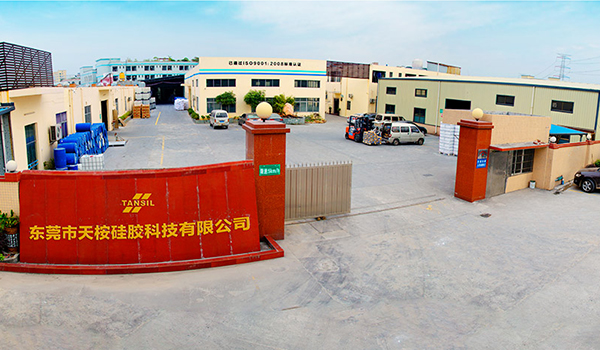
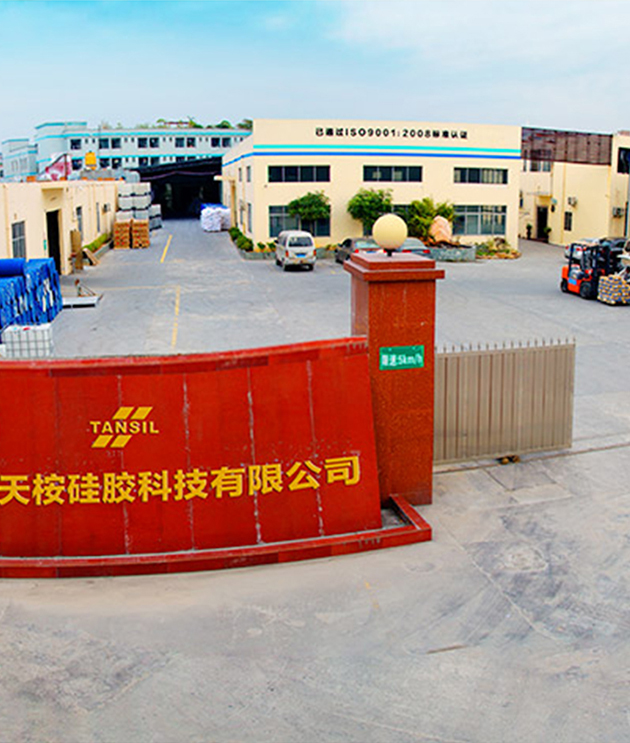
Welcome to the TANSIL silicone raw material factory
25 years experience in R&D and production of silicone,China's Top 5 silicone raw material manufacturing base, 100% delivery guarantee
- Innovation-Quality-First-Priority
- Precision-Trust-Craft-Globe
- Excellence-Durability-Protect-Health
- Effortless Mold Release
- Rapid Rubber Mixing
- High Tensile Strength
- Thermal Stability (-50°C–250°C)
- Zero Residue, FDA-Compliant
- UV/Ozone Resistance

Call any time for TANSIL services
(+86) 18922510689
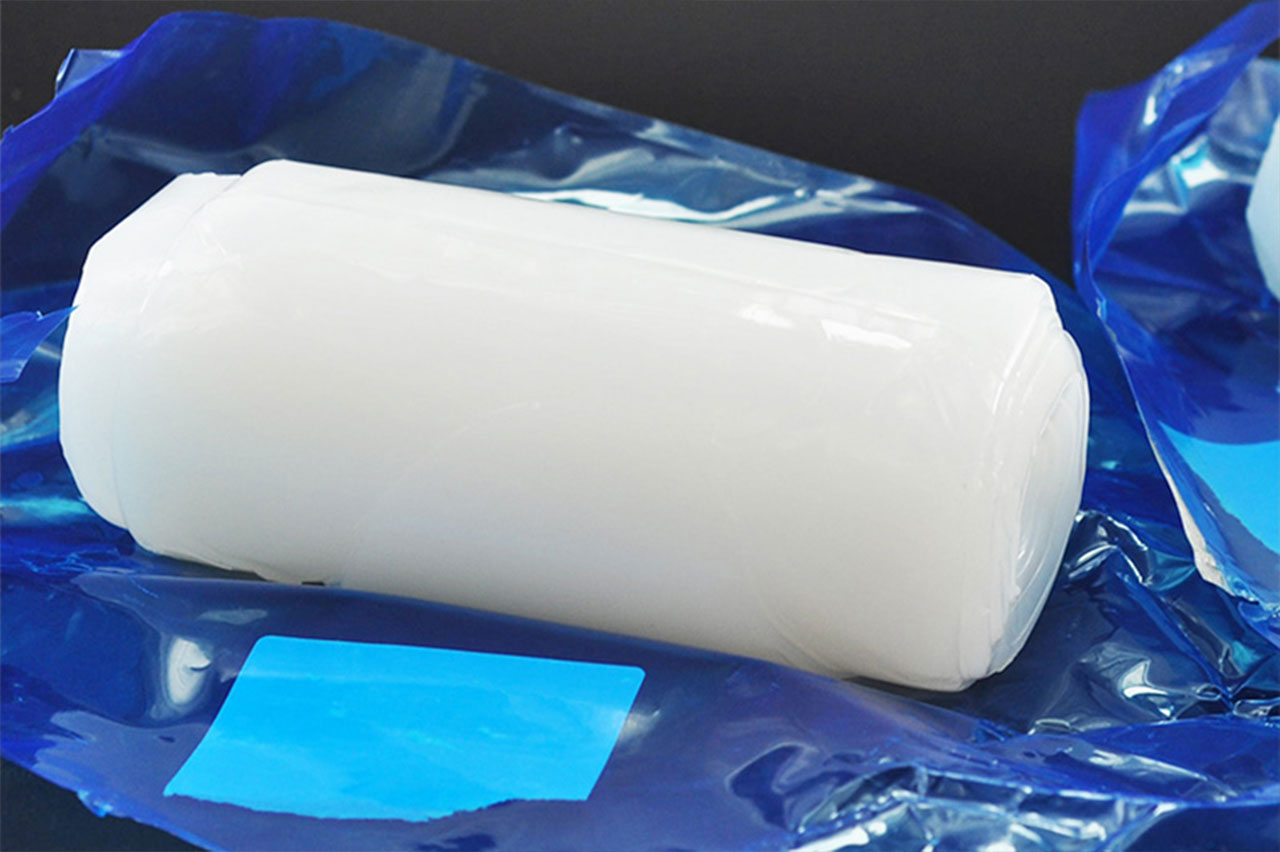
Htv Silicone
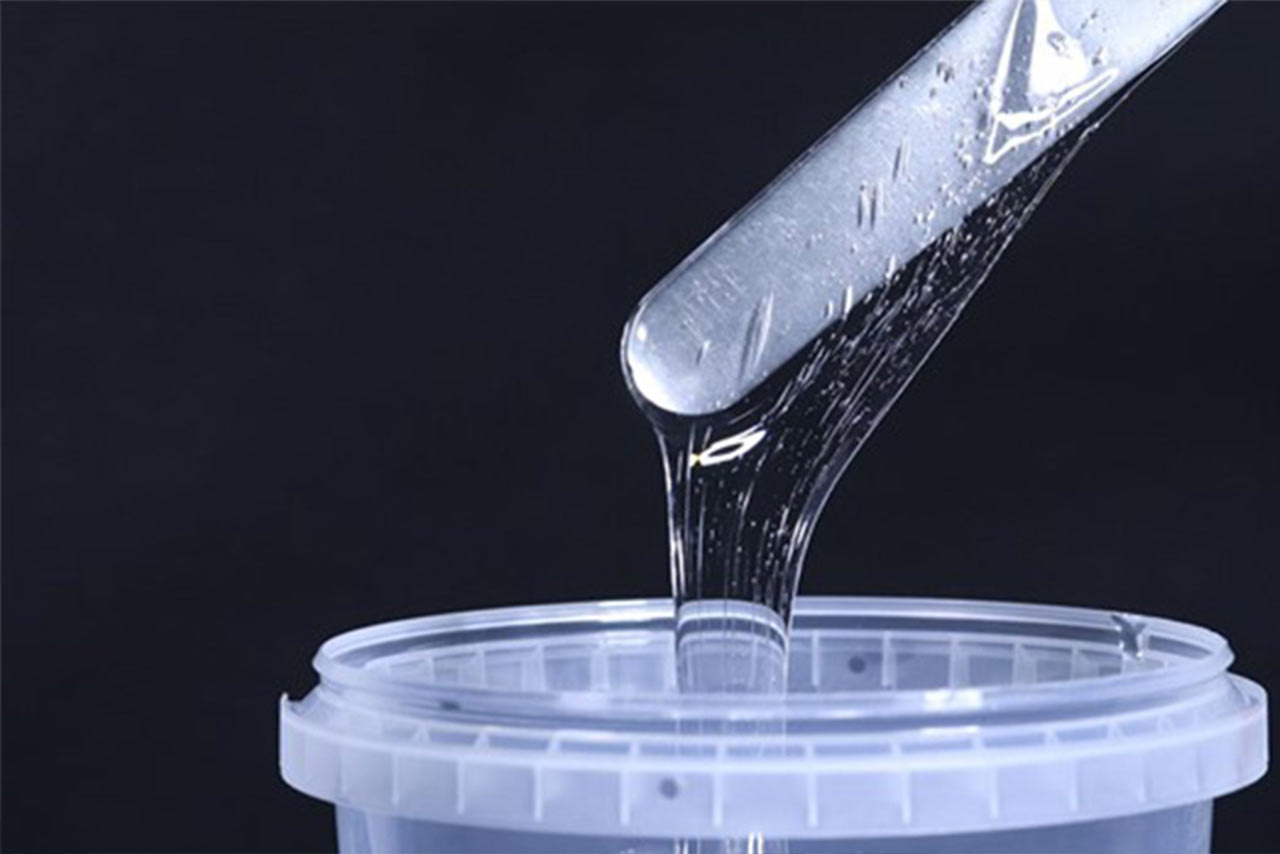
Lsr Silicone
Brand Name
Brand Name
our bast servicses
Top five silicone manufacturers
in China
01
High temperature resistance
Silicone Rubber applicable temperature from -40°C to +230°C, it can be used in microwave and oven.
READ MORE
04
Soft and Comfortable
Benefit from silicone rubber softness, mould products comfortable touch, extremely flexible and not deformed.
READ MORE05
Eco-Friendly
Silicone Rubber does not produce and toxic or hazardous substances from raw materials to finished products.
READ MORE
Expert Team
Meet Our Team of Expert
lin Yun
Quality Engineering
 (+86) 18929151108
MA Lili
Formulation Engineering
(+86) 18929151108
Li Hong Zhong
Production Engineering
(+86) 18929151108
Cheng Jia Gao
Sample Engineering
(+86) 18929151108
Why Choose Us
25 years of experience in silicone raw material
Top 10 companies
China's Top 5 silicone raw material manufacturing base, 100% delivery guarantee
25 years experience
25 years experience in R&D and production of silicone
Multiple certifications
Complete certificates,Up to the testing standards of European and American countries
Excellent engineers
With a professional silicone R&D team of 20, the R&D building covers an area of 2,000 square meters and can be customized according to customer needs
Testimonials
Our Clients Feedback

Great Services
Automobile sealing factory
German companies
Great Services
Medical equipment factory
American Company
Great Services
Conductive silicone button
Japanese Factory
25+
Years
Experience
Faq
Frequently Asked Questions
These silicone problems, maybe you need to know
How to choose between solid silicone (HCR/HTV) and liquid silicone (LSR)?
1. Solid silicone: high hardness (20-90 Shore A), compression molding, first choice for automotive/industrial parts
2. Liquid silicone: precision injection molding (±0.02mm tolerance), ideal for medical/electronic micro partsHow does solid silicone achieve conductivity? Can liquid silicone do the same?
1. Solid silicone: Add carbon black/metal oxide (adjustable from 10² to 10¹² Ω·cm)
2. Liquid silicone: Silver coating microparticle filling (minimum 10¹ Ω·cm, but cost ↑30%)Is there a big difference in the minimum order quantity (MOQ) between solid and liquid silicone?
1. Solid silica gel: standard formula 500kg | custom formula 1 ton
2. Liquid silica gel: standard formula 300kg | custom formula 500kgIs solid silicone or liquid silicone more stable in high temperature environment?
1. Solid silicone: HCR continuous temperature resistance 250°C (short-term 300°C)
2. Liquid silicone: LSR continuous temperature resistance 200°C (better yellowing resistance)3. Certification support: IATF 16949 (automotive) / ISO 10993 (medical)How to solve the bubble defect in liquid silicone?
1. Cause analysis: Insufficient mixing exhaust/mismatch of vulcanization curve
2. Solution:Free vacuum degassing process parameter packageCustomized low viscosity LSR formula (flow rate ↑20%)
Laboratory and Testing
Simple Working Process
Our laboratory testing processes and our silicone rubber testing center ensure quality assurance that your specifications are met.

Weigh and add vulcanizing agent
We take a small amount of silicone rubber sample and then add a certain proportion of vulcanizing agent. By adding sulfur or other accelerators, the strength, elasticity and durability of silicone rubber can be increased.
READ MORESilicone rubber compounding
Use a mixing machine to fully combine the vulcanizer and silicone rubber.
READ MOREHeat curing
We use heat curing to speed up the curing process. We heat the rubber mold to 180°C within 8 minutes to speed up molding and curing.
READ MOREPost-curing
Post curing will enhance the physical properties and performance of any molded rubber. The average cure cycle for molded rubber is 4 to 6 hours at 200°C.
READ MORETensile strength test
We perform tensile testing by placing a vulcanized silicone rubber sample between grips. The sample has a predetermined length and cross-sectional area. We then begin applying weight to the material, which is secured at both ends. This technique allows us to measure the tensile strength and ductility data of the sample.
READ MORETear strength test
Tear strength is a measure of a material's ability to resist damage by tearing. For silicone rubber products, we measure the rate of growth of an existing crack while the material is stretched. We calculate the tensile force in Newtons per millimeter of thickness and end the test when the sample breaks.
READ MOREHardness test
For silicone rubber products, we use the Shore Durometer test to measure hardness. Through this test, you can know how deep the small cone is pressed into the silicone surface. Different silicone products have different hardness requirements. We can customize according to customer requirements.
READ MORERebound test
We drop a weighted ball from a specific height onto a given material sample. The height at which the ball bounces back is then measured and used to determine the material's elasticity to stress.
READ MOREPlasticity test
We evaluate the plasticity of a sample based on its height change after a certain period of time at a constant temperature and load.
READ MOREVulcanization test
Vulcanization is a chemical process where rubber is heated at 140–160°C along with sulfur, accelerators, and activators. The process involves the formation of crosslinks between long rubber molecules. This step measures the cure rate profile of silicone rubber.
READ MORE